Normally, I don’t review books in the traditional sense. Instead I prefer to excerpt portions from the books I read and highlight them to you, my audience (I’ll probably still do that later on with this book). However, Jim Wallace was kind enough to send me a pre-publication copy of his new book, God’s Crime Scene: A Cold-Case Detective Examines the Evidence for a Divinely Created Universe

Jim is a translator. He takes the sometimes complex arguments of academics and he translates them into a simpler form for his audience. This a crucial task for the Christian church, because without translators the vast majority of people will never understand what academics are saying about the Christian worldview. We need to know what the academics are saying because they are doing the research that either corroborates or rebuts the claims of Christianity.
There are two things, I think, that make Jim an especially effective translator. First, he has a knack for developing analogies and illustrations that communicate the complex ideas of Christian apologetics. Second, Jim is masterful at bringing his cold-case detective experience to bear on apologetics arguments. He demonstrated both of these talents in his first book, Cold-Case Christianity: A Homicide Detective Investigates the Claims of the Gospels
The idea behind his second book, God’s Crime Scene, is that we are investigating the “crime scene” of the observable universe and we are trying to determine if the cause of the observable universe operated from inside of it or from outside of it. Wallace compares this investigation to that of a detective who arrives at a death scene where a dead body has been discovered. The detective must figure out whether the death was caused by the elements inside the death scene (e.g., disease, accident) or whether the cause of death was outside the death scene (e.g., murderer).
Wallace takes the reader through eight different pieces of evidence that must be analyzed at the “crime scene.” These evidences are : 1) the origin of the universe, 2) the fine tuning of the universe, 3) the origin of life, 4) the apparent design of life, 5) consciousness, 6) objective morality, 7) free will, and 8) evil. A chapter is dedicated to each of these.
Wallace not only steps the reader through the evidence in each chapter, but he teaches us how to think about the evidence, using his decades of experience as a detective and as a participant in numerous criminal trials. The task of any jury is to listen to the evidence and arguments made by both the prosecution and defense, to weigh what each side has presented, and then to render a decision about which side has presented the truth about what really happened.
In the same way, we are called to sit on a jury where the prosecution argues that the eight pieces of evidence lead to a theistic creator-God who exists outside the observable universe, and the defense argues that the eight pieces of evidence can be explained by the forces of nature contained inside the observable universe.
As an apologist who has been studying the evidences for Christianity for over a decade, all eight evidences that Wallace presents are familiar territory to me. He has certainly done his homework (extensive citations of scholars on both sides) and updated bits and pieces of the evidences and arguments, but this book is not primarily intended for someone like me.
Just as Lee Strobel brought the evidences for Christianity to a generation of people who had never heard of apologetics (yours truly included) using his background as a journalist, J. Warner Wallace is bringing the evidences for Christianity to yet another generation using his background as a cold-case detective.
Here’s to J. Warner Wallace and all the other translators. You’re doing essential work for the kingdom!
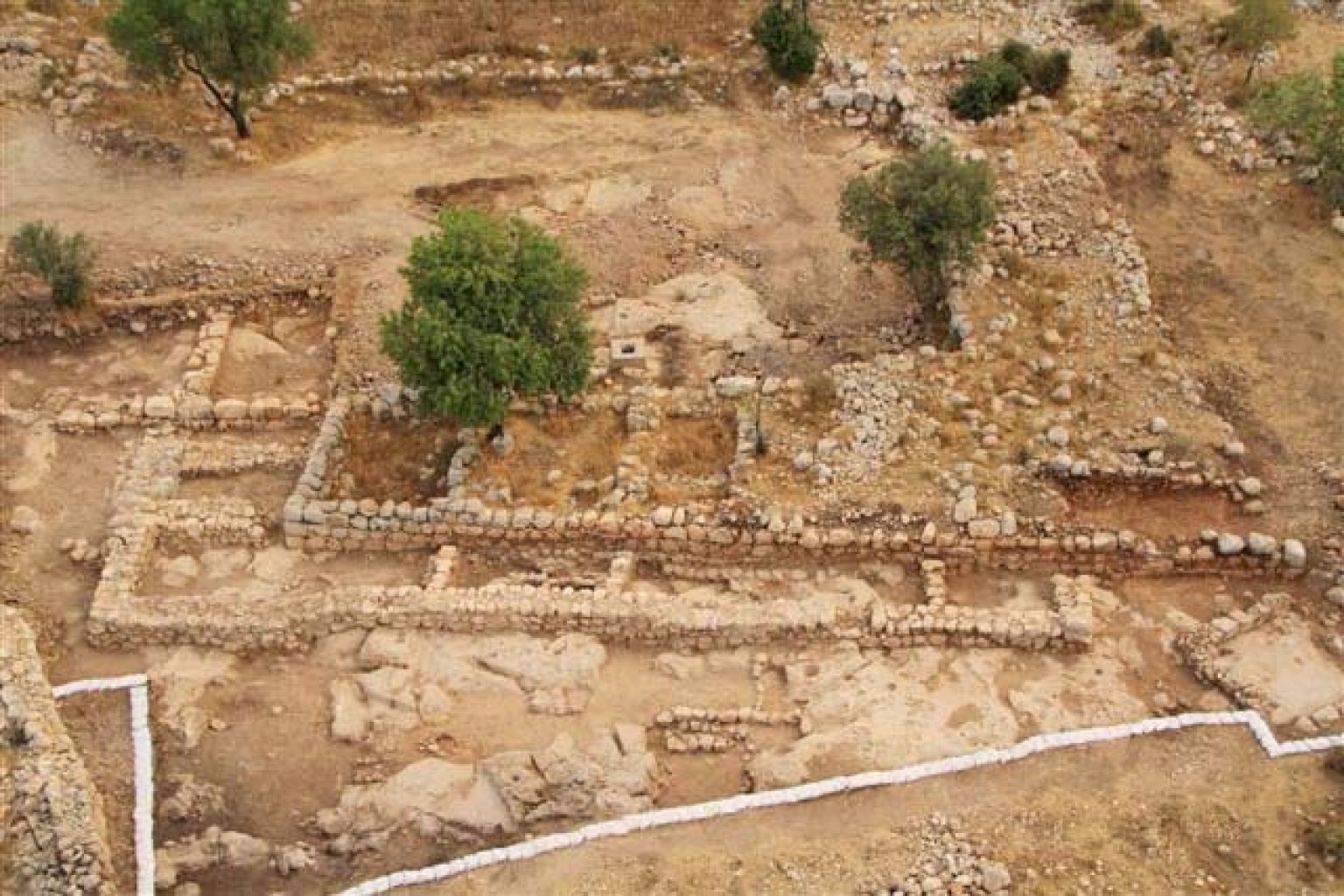 As we continue from part 1, Kitchen claims there are traces of direct evidence for David’s dynasty.
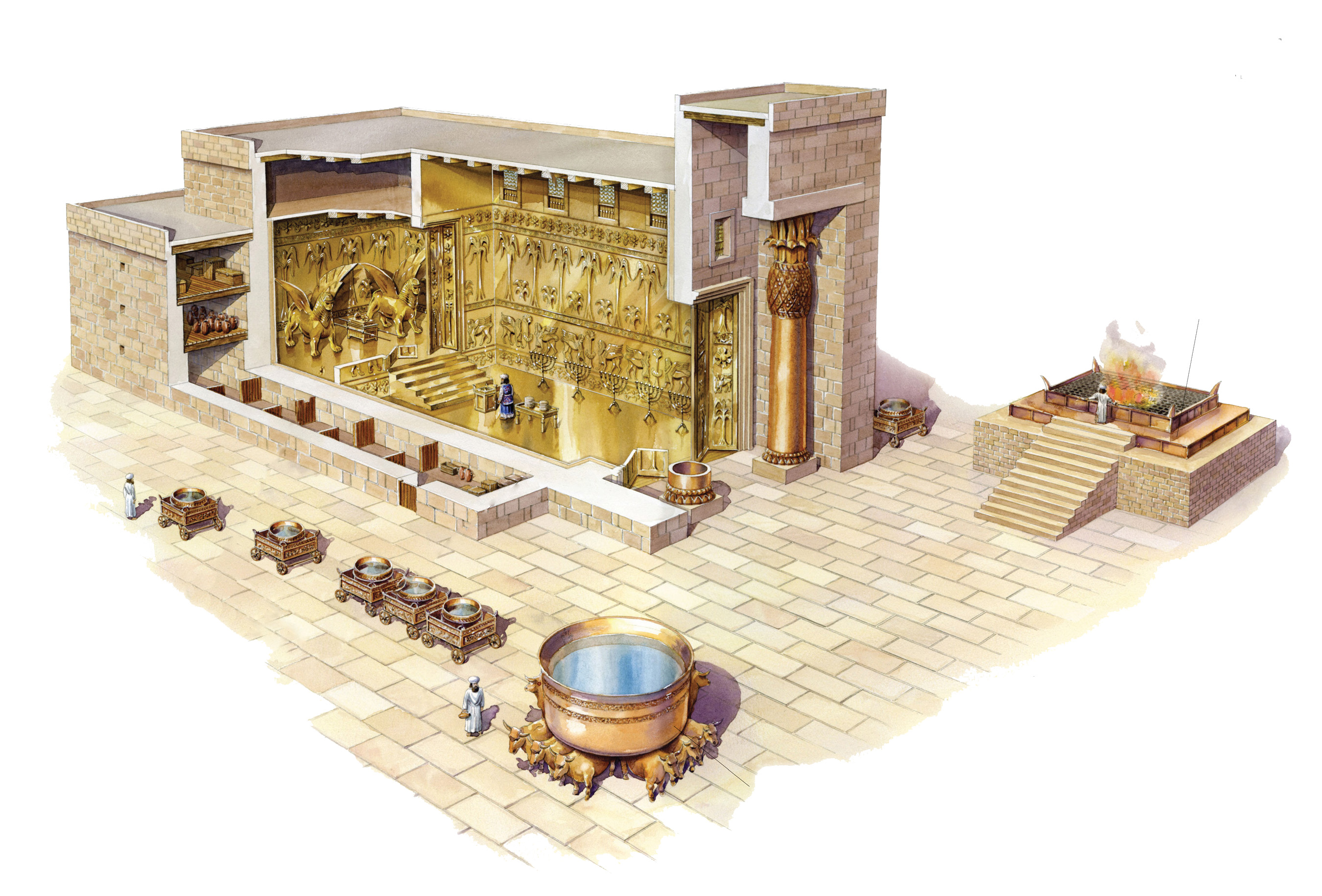 In chapters 6-8, the author reports the building of the temple that would become the permanent “home” of God among the Israelites. Verses 1-10, in chapter 6, tell us that temple construction began in 966 BC, Solomon’s fourth year as king. The project was completed and the temple dedicated 7 ½ years later. This structure would stand for almost four hundred years until it is destroyed by the Babylonians.
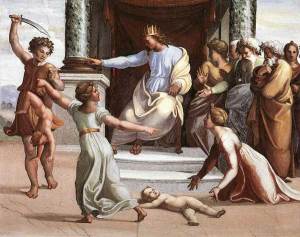
 In 1 Kings 3 God tells Solomon, in a dream, that He will bless him with incredible powers of wisdom and discernment. He will also give him riches and honor during his lifetime. All of these promises did come to pass, so are we to conclude that dreams are a normative means for God to communicate to Christians today?
 The books of 1 and 2 Kings were originally a single work, but were separated into two parts when they were translated into the Greek New Testament (the Septuagint). The Septuagint also combined Samuel and Kings into a four-part history of the monarchy of Israel (First, Second, Third, Fourth Book of Kingdoms).
 Abortion is the intentional taking of the life of a child who is still living in the womb of her mother. Does the Bible have anything to say about this procedure? Even though abortion is not explicitly mentioned, there are basic principles taught in the Bible that lead us to conclude that abortion is immoral.
 Psalm 51 is traditionally thought to be David’s lamentations for his sins against Bathsheba and Uriah. As the psalm begins, David asks for God’s forgiveness. Why God? Because even though David sinned against Bathsheba, Uriah, and others, it is God whom he has grieved the most. When we sin, we sin first and foremost against God.
 , summarizes Psalm 51:
 In Psalm 27, David begs the Lord to not hide His face from him. In the context of the psalm, it appears that David is being attacked by his enemies, he has been praying to God to deliver him from these enemies, but God has not yet answered his prayers. Thus, to David, God is hiding His face. What are we to make of this? Goes God really hide from us?